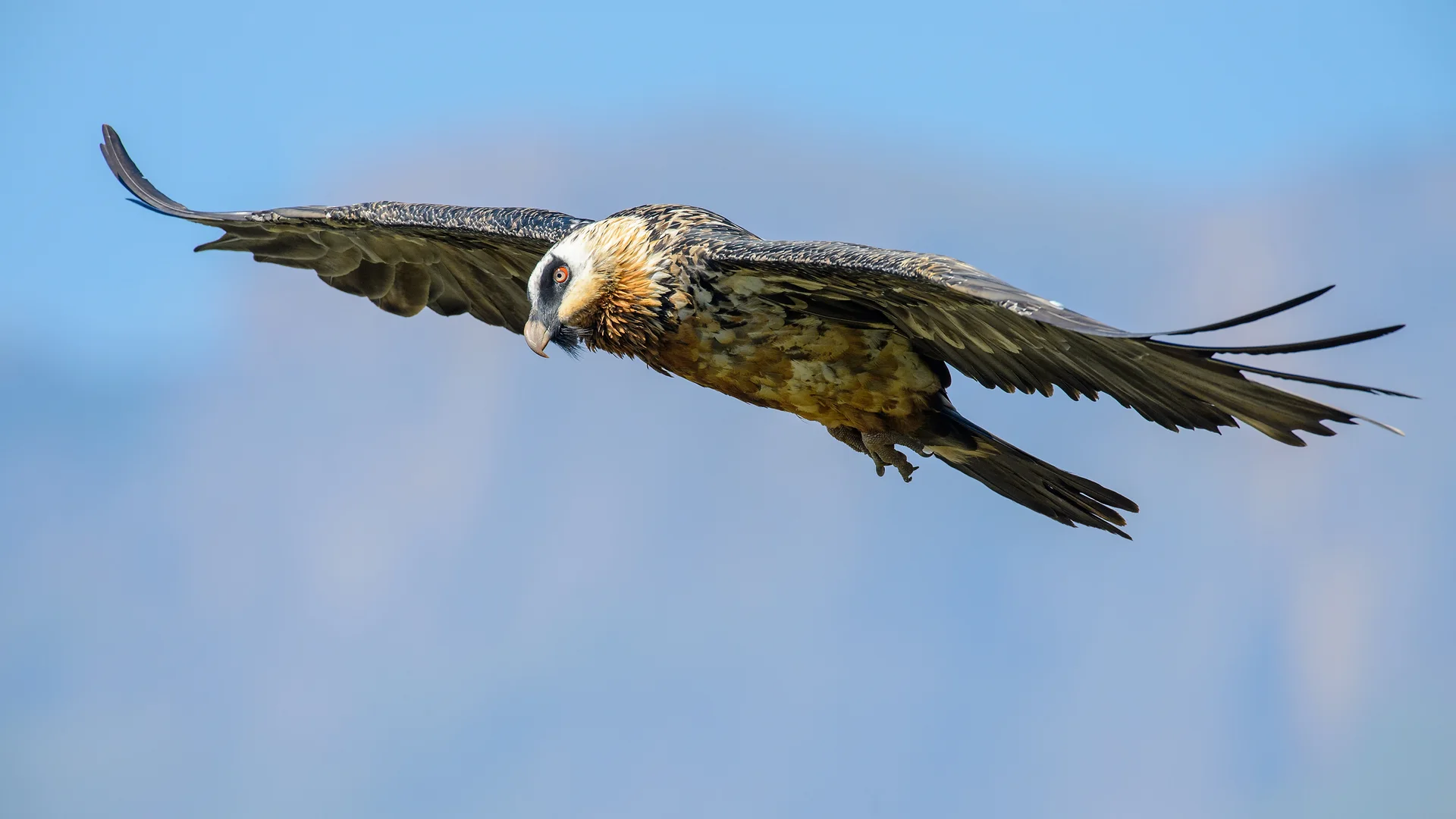
Research & Innovation
Research that supports smarter, evidence-based environmental decisions.
Black Harrier studies
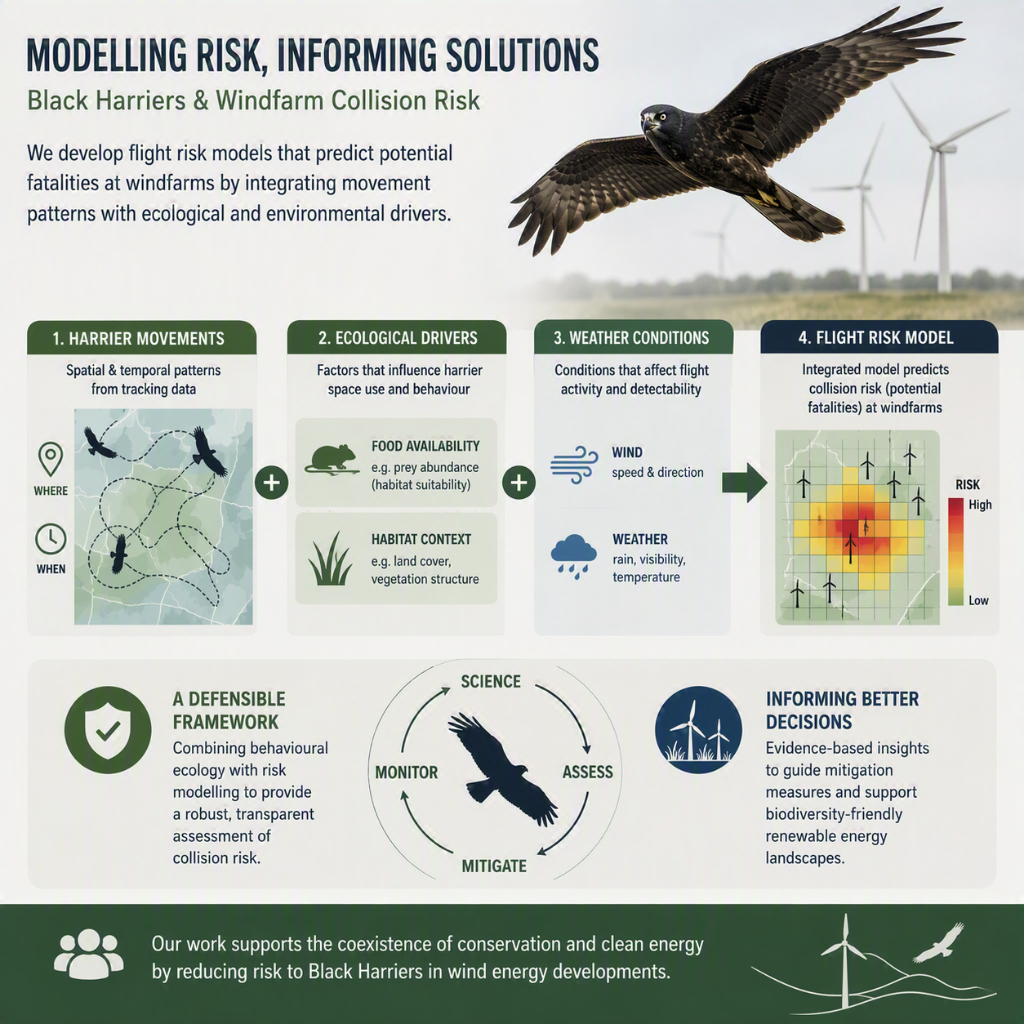
Our research on Black Harriers has included the development of flight risk models to predict potential fatalities at windfarms. These models integrate spatial and temporal dimensions of harrier movements, while also accounting for ecological drivers such as food availability and weather conditions. By combining behavioural ecology with risk modelling, this work provides a defensible framework for assessing collision risk and informing mitigation strategies in renewable energy landscapes.
Tracking studies
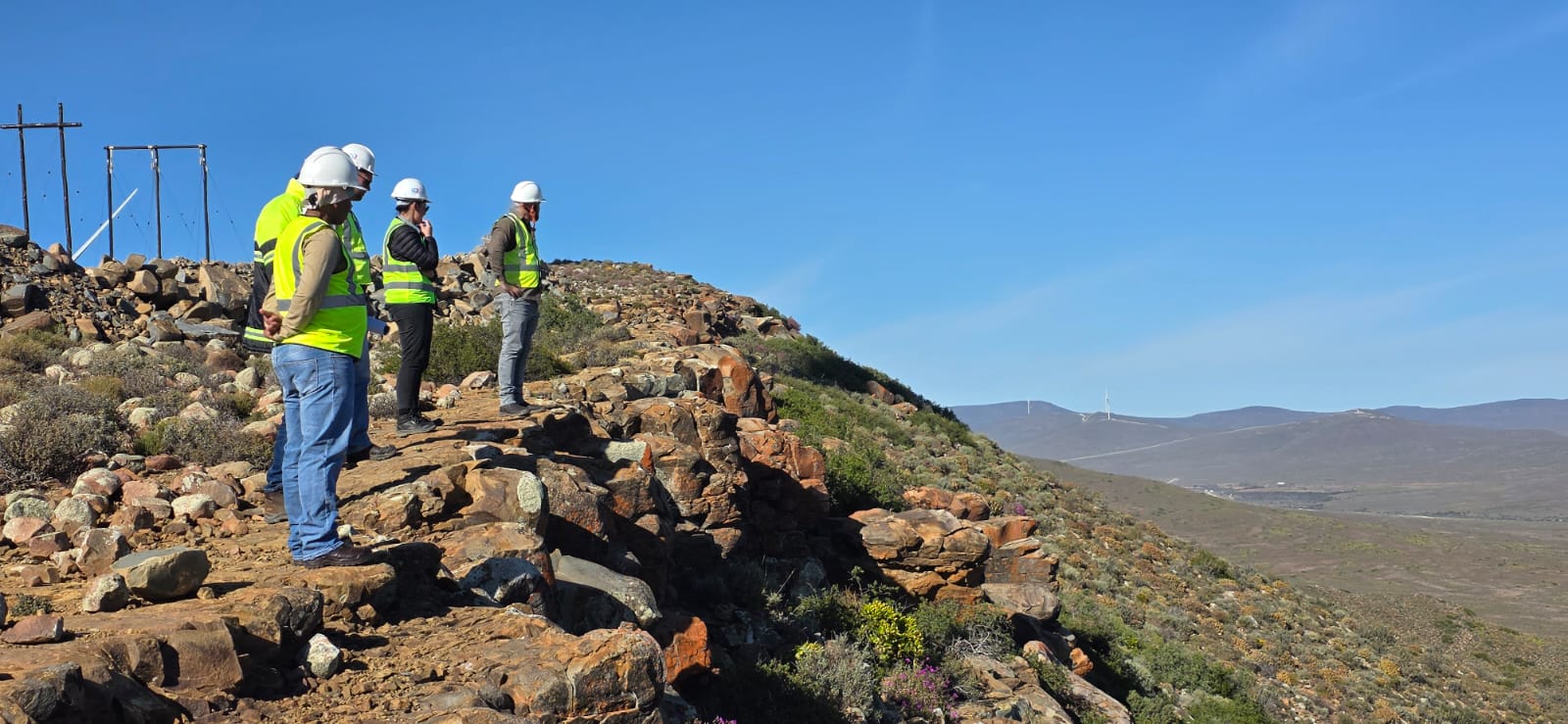
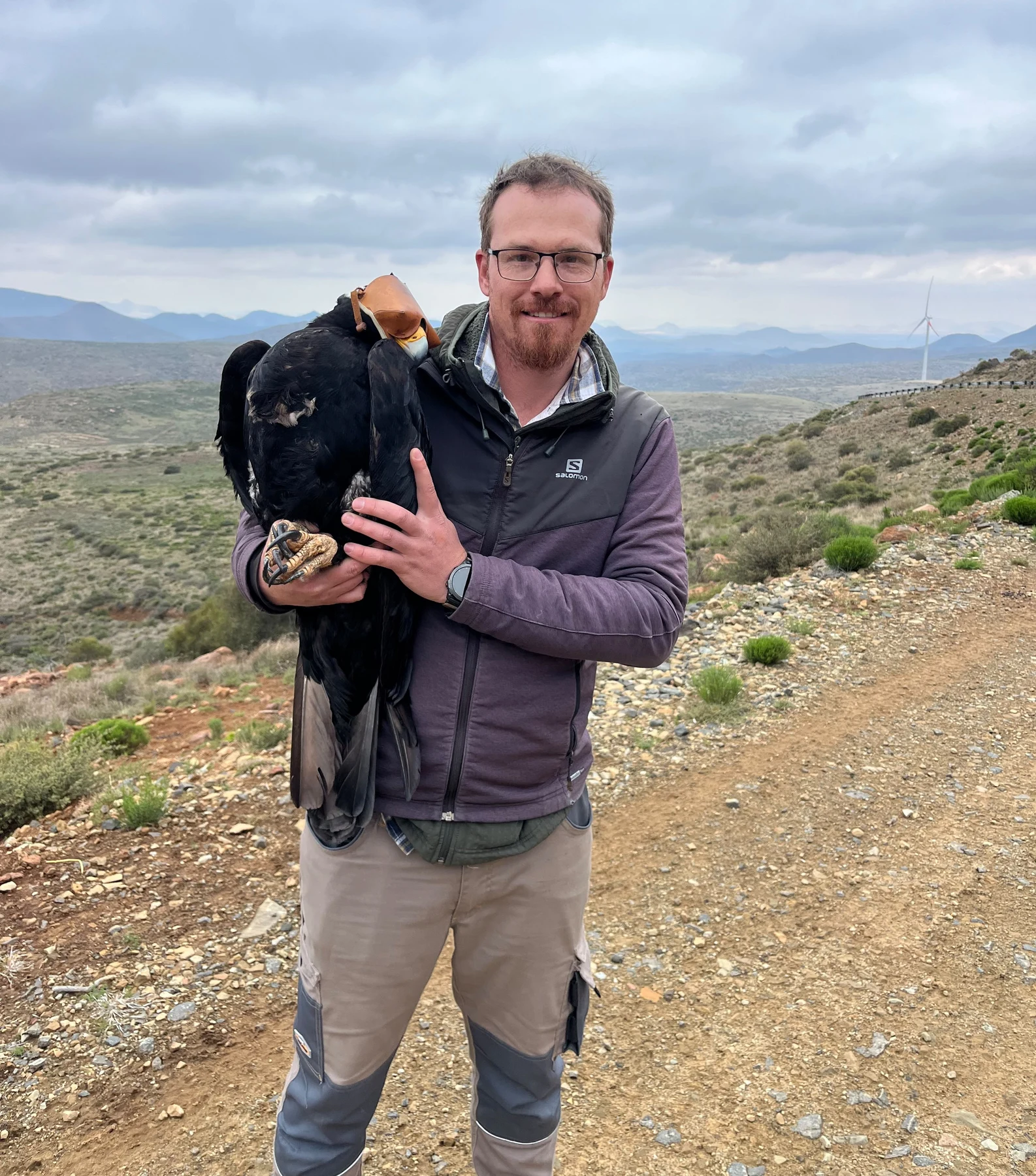
Several tracking studies are currently underway to investigate the movement patterns of avian species of conservation concern. For many of these species, movement ecology remains poorly understood, yet such information is critically important for evaluating and predicting the potential impacts of windfarms. By integrating spatial and temporal data, these studies provide the foundation for assessing collision risk, identifying high‑use areas, and devising targeted mitigation measures. Ultimately, this research advances both conservation science and the development of evidence‑based strategies to reduce the risks posed by renewable energy infrastructure to vulnerable bird populations.
Acoustic monitoring studies
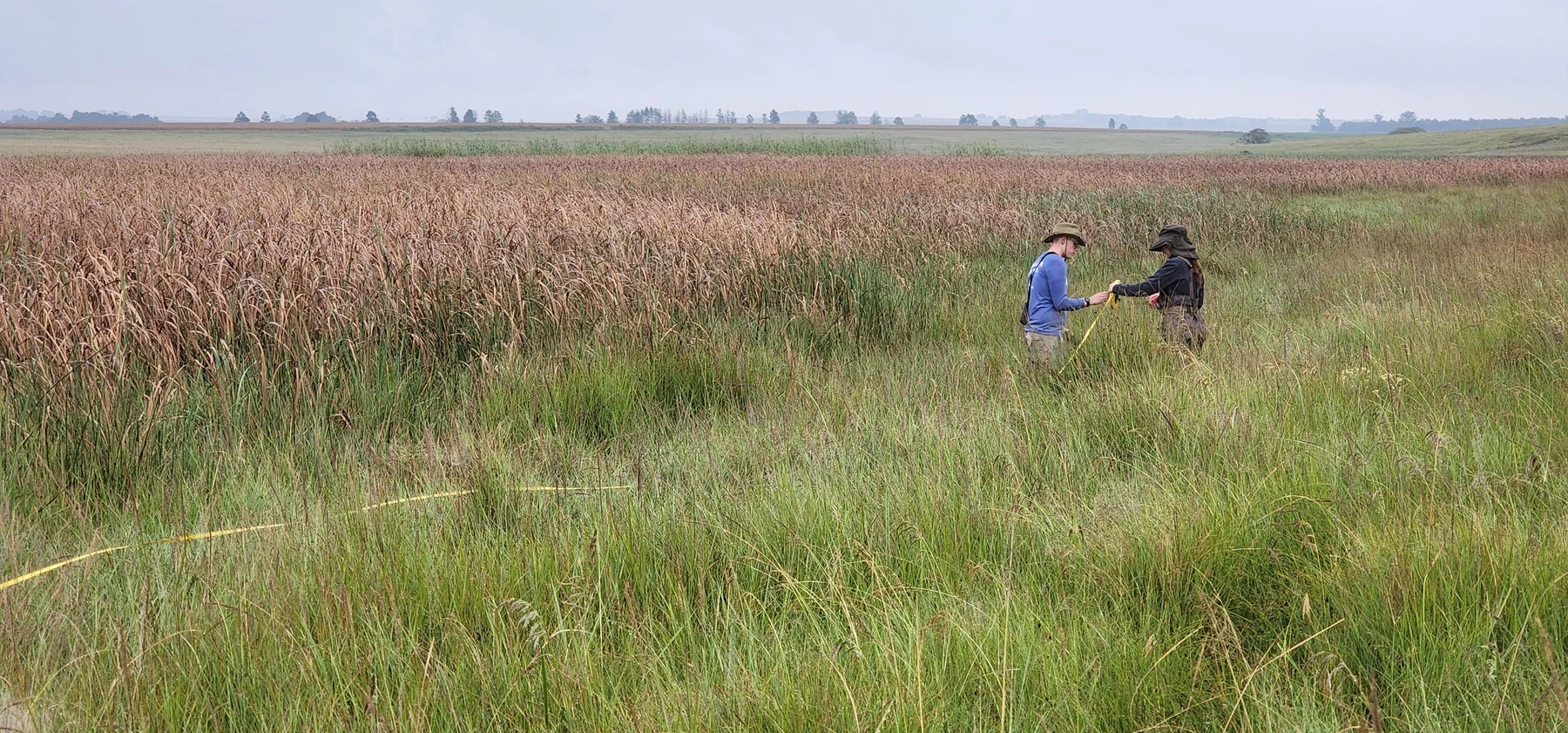
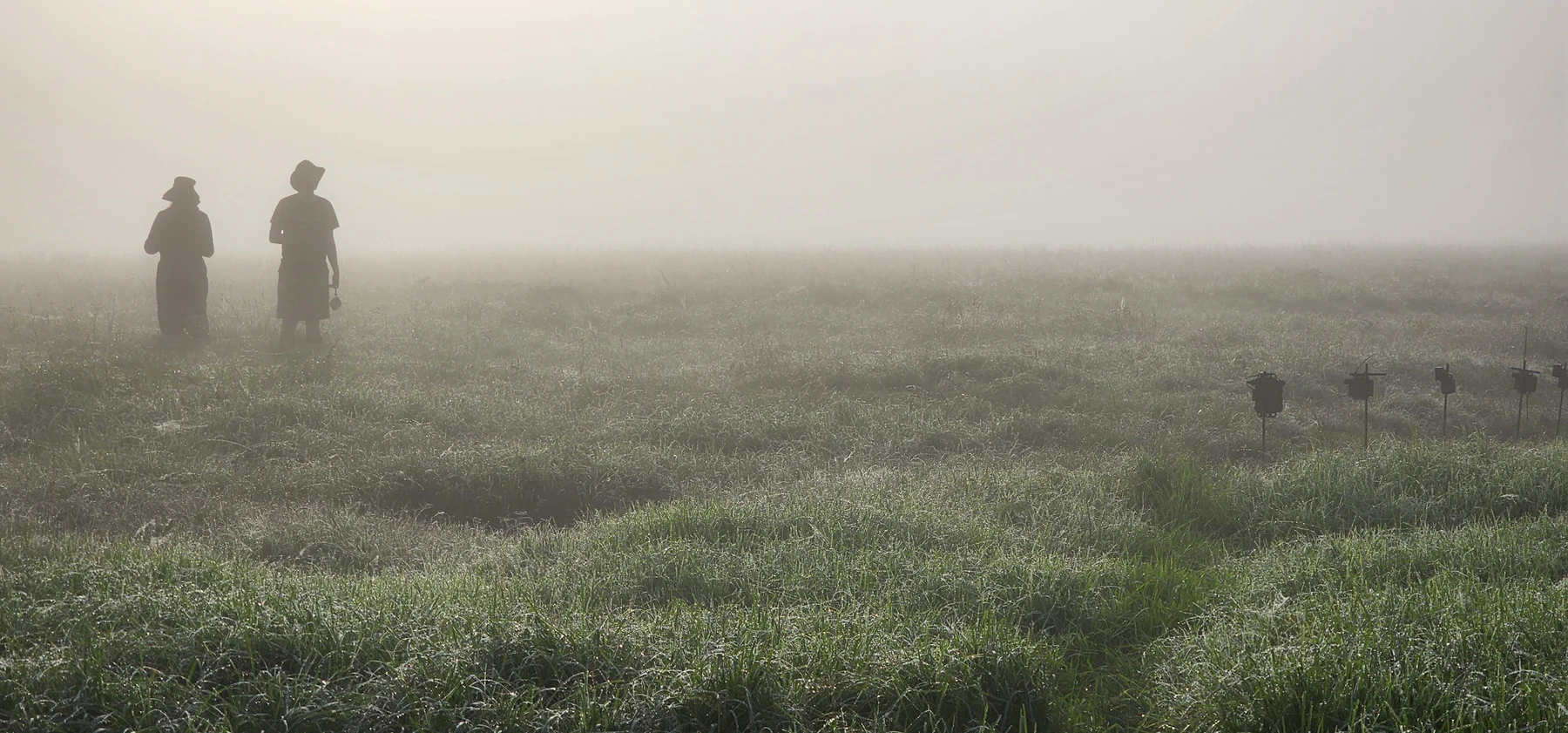
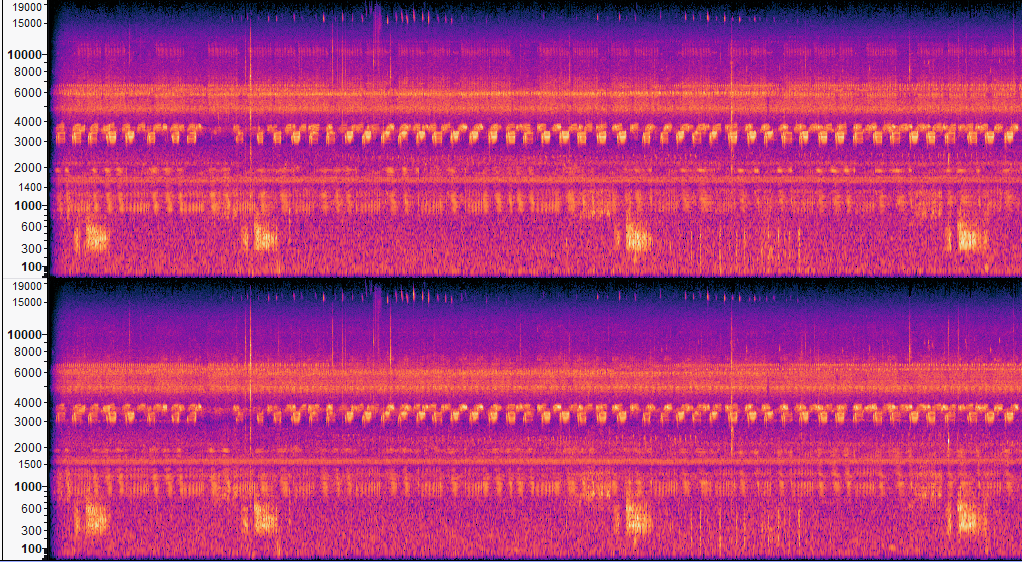
Acoustic data collected in wetlands and grasslands at prospective windfarm sites can be used to document biodiversity, assess species presence and abundance, monitor ecological health, and evaluate potential impacts of wind energy development on sensitive species. By developing classifiers for avifaunal species of conservation concern, these datasets can be used to automate detection of sensitive species and evaluate habitat use. It provides both baseline information for environmental assessments and long‑term monitoring opportunities.
SMART Technologies
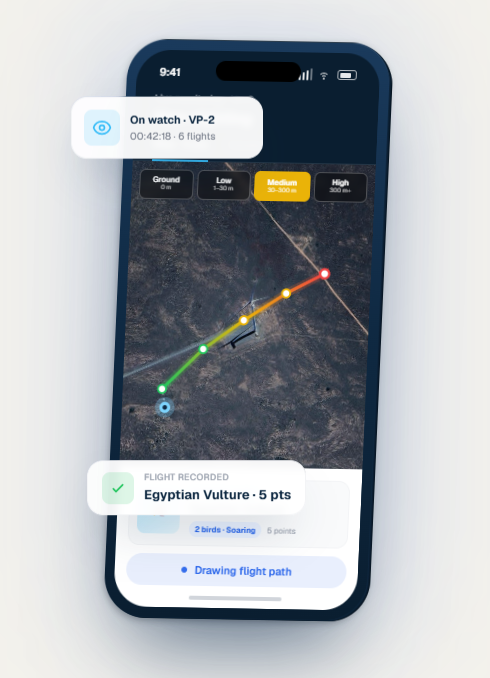
SafeTurbines© is an offline-ready digital platform that streamlines wind, solar, and grid monitoring programs by replacing paper-based data collection with standardized digital workflows. It supports post-construction fatality monitoring (PCFM), shutdown-on-demand (SDoD), and pre-construction surveys within a single platform, enabling field teams to capture GPS-tracked search routes, carcass records with linked photo evidence, bias trials, and live flight-path observations directly on site. Data automatically syncs when network coverage is restored, allowing managers to detect mortality spikes early, monitor trends across species and sites, and generate complete GenEst-ready input bundles in a single export. By eliminating manual transcription, SafeTurbines© improves data quality, accelerates reporting, and delivers near real-time insights into wildlife risk, monitoring performance, compliance, and mitigation effectiveness for managers and executives.
Wildlife & Urban Ecology studies
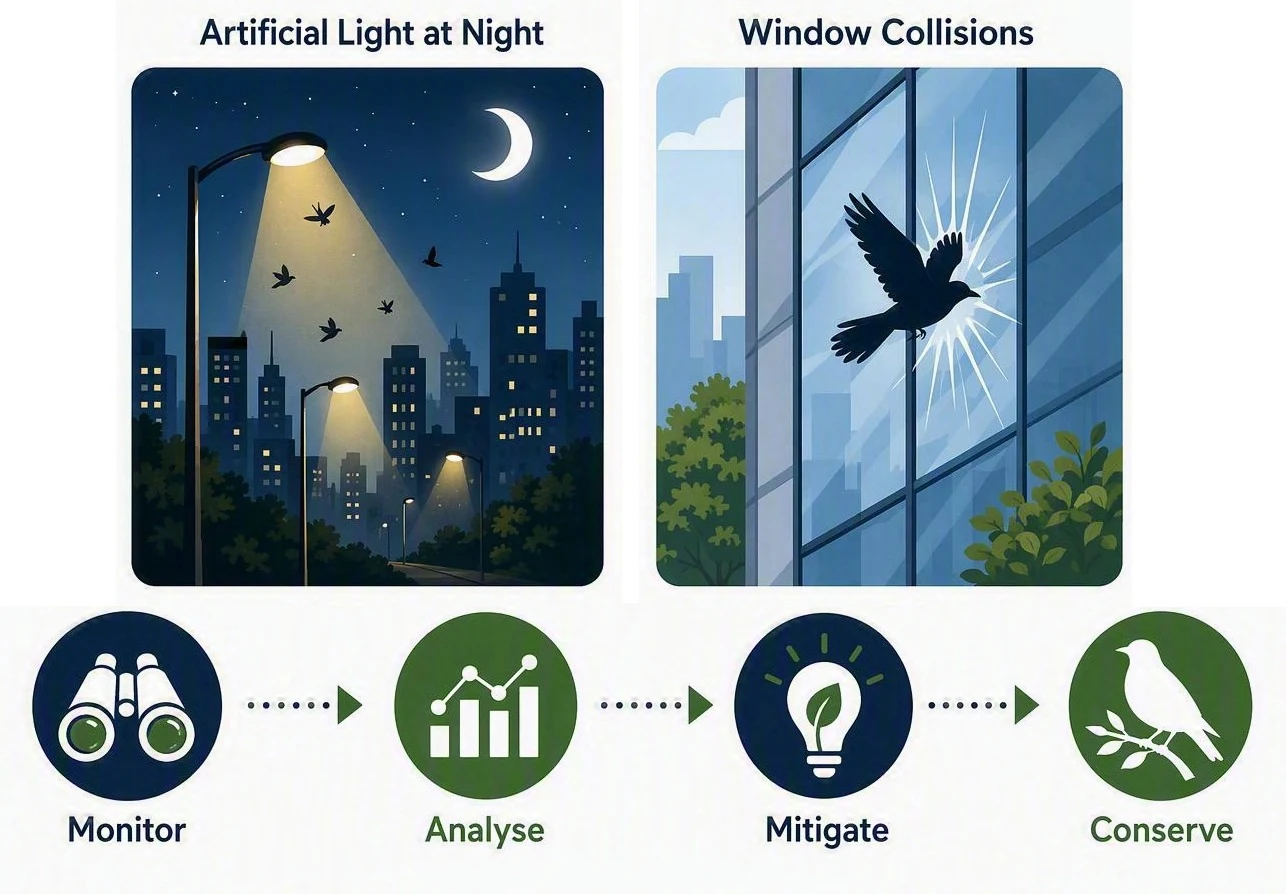
Our team has developed expertise in avifauna and urban ecology, with a particular focus on assessing the impacts of artificial light at night on wildlife behaviour and survival. We have also contributed to evaluations of window collisions, a major source of avian mortality in urban environments. These capabilities position us to investigate how urban pressures interact with avifauna, generating data that informs mitigation strategies and advances research on the ecological consequences of urbanisation.
SCC habitat modelling studies
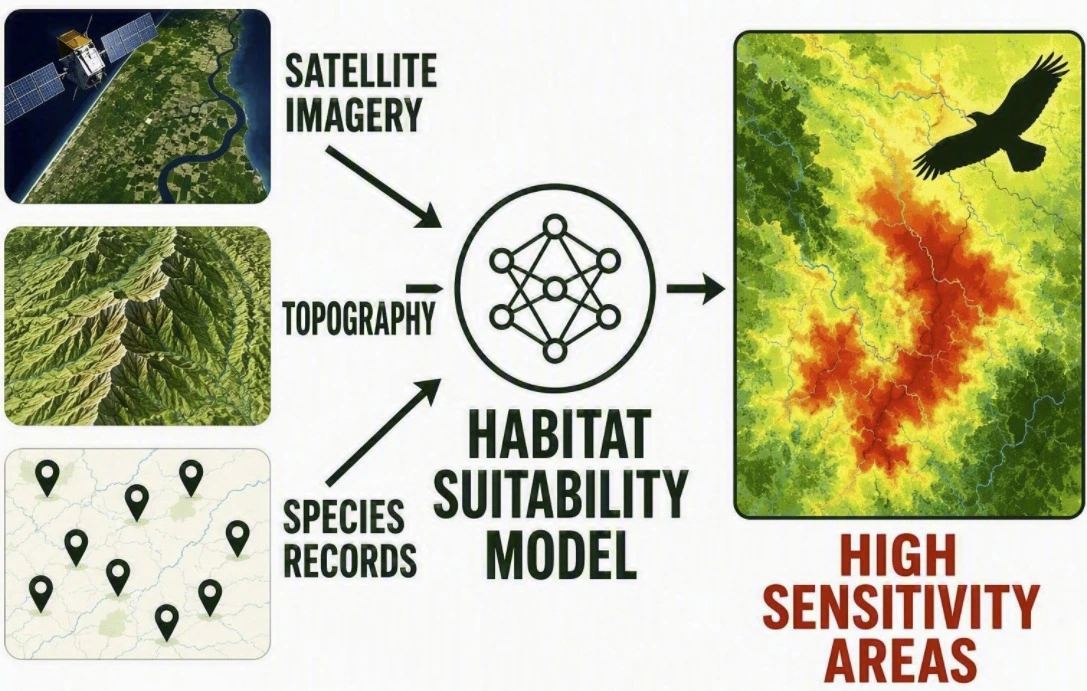
Habitat suitability modelling combines multi-year satellite imagery, environmental variables, and machine learning to predict suitable habitat. The approach integrates seasonal vegetation productivity, topography, and verified species occurrence records to generate robust habitat suitability predictions. Model outputs are refined through spatial analytical smoothing processes into classified habitat units that identify areas of high sensitivity and conservation value, supporting environmental impact assessments, conservation planning, and informed land-use decision-making.
Species of Conservation Concern relocation studies
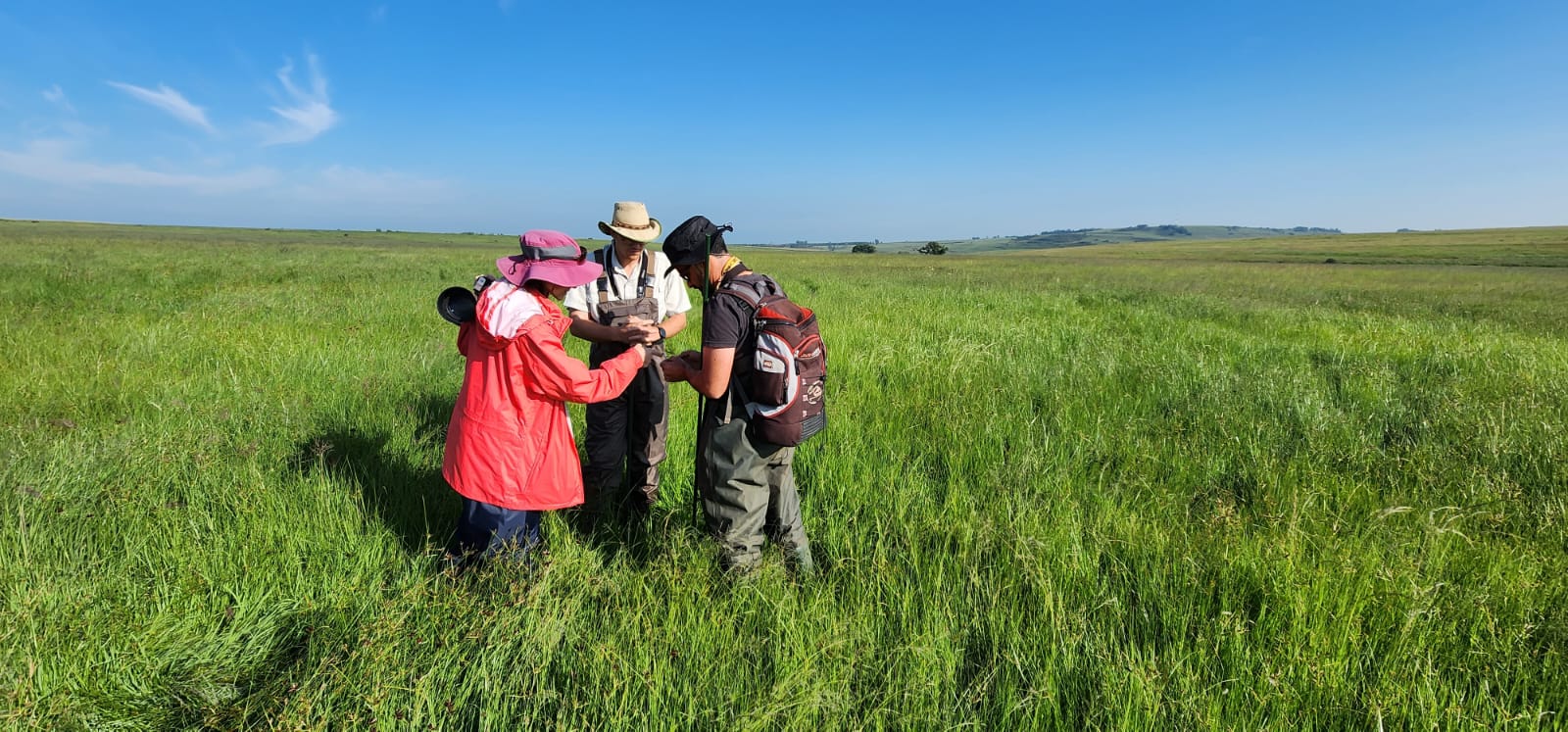
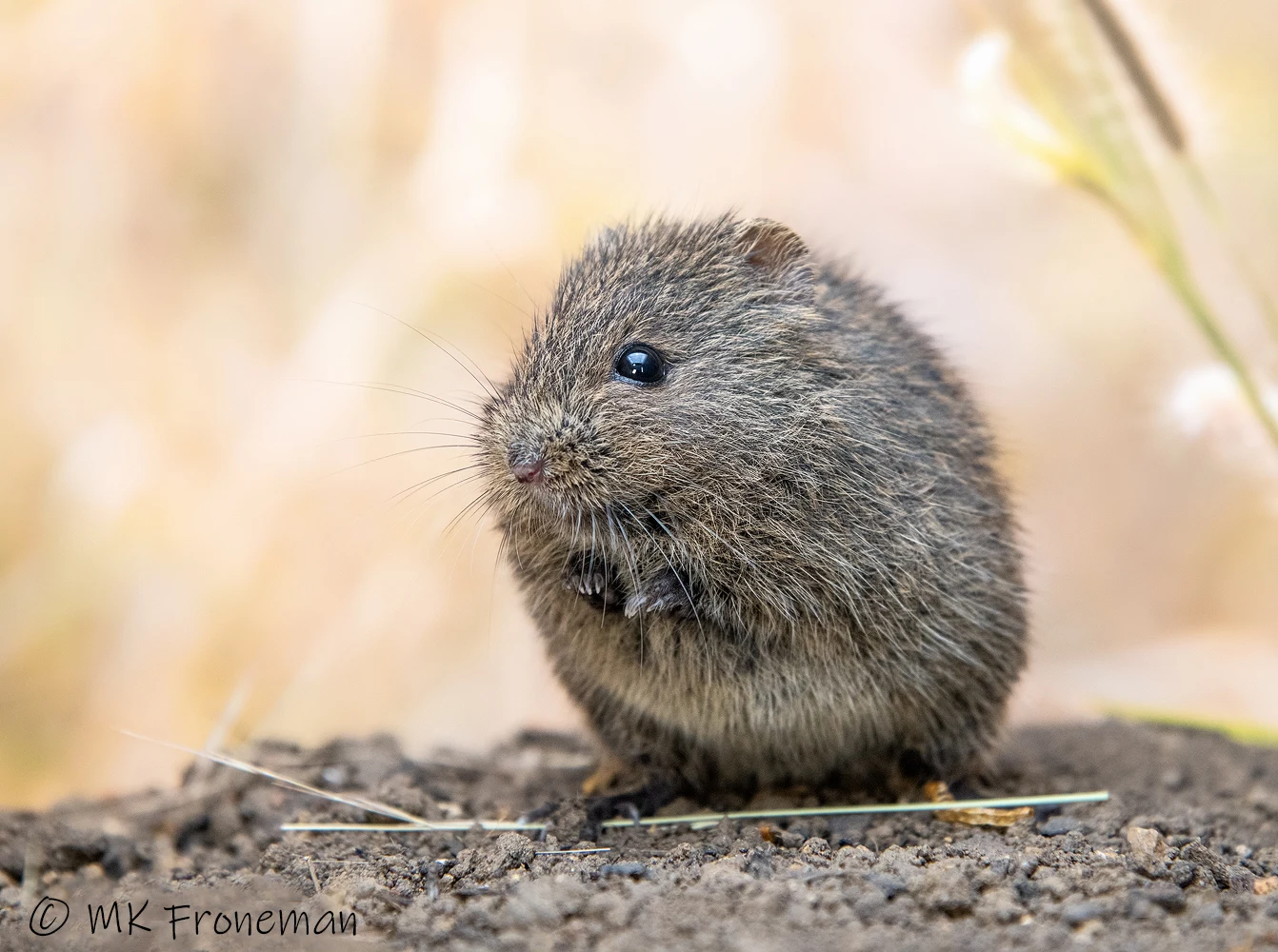
Our team has established the capacity to conduct relocations of small mammals under operational constraints while integrating animal welfare protocols. The procedures undertaken provide not only assurance of animal health but also generate valuable data for long‑term monitoring. Follow‑up surveys at the offset site focuses on recapturing translocated animals, enabling evaluation of survival, habitat integration, and post‑release condition. These activities contribute to a broader research framework on the effectiveness of small mammal translocation as a conservation tool.
Human capital development
Training
AfriAvian currently delivers specialized training for services associated with both pre‑construction and post‑construction wind farm sites. These programs focus on data collection for a range of purposes, including live bird monitoring, Post‑Construction Fatality Monitoring (PCFM), Shut Down on Demand (SDoD), and bias trials. Field teams are equipped to conduct these activities using AfriAvian’s custom application, SafeTurbines©, alongside radio communication protocols with on‑site Observation Points (OP), ensuring accurate reporting and compliance with environmental monitoring standards.
Postgraduate studies
AfriAvian supports students at both undergraduate and postgraduate levels in a variety of capacities. Undergraduate students benefit from financial assistance through the coverage of their tuition fees, while postgraduate students receive supervision in the development and management of avian‑related research projects. These projects are designed to generate meaningful scientific outcomes, with results disseminated through publication in peer‑reviewed journals. This academic engagement is further strengthened by the affiliation of one of our staff members with the University of Pretoria and UNISA, ensuring strong institutional linkages and access to broader research networks.
Students
Alberto Okhuis (BSc Environmental Management, UNISA)
Cameron Crole (BSc Hons, University of Pretoria) - Evaluating bird call propagation and attenuation using autonomous recording units.
Kayla Swan (MSc, University of Pretoria) - Hormonal assessment of stress and reproductive health in captive Bearded Vultures.
Joshua Webber (PhD, University of Pretoria) - Temporal drivers of collision risk at wind energy facilities in the Endangered Black Harrier.